Rubbish in Paradise – the battle begins
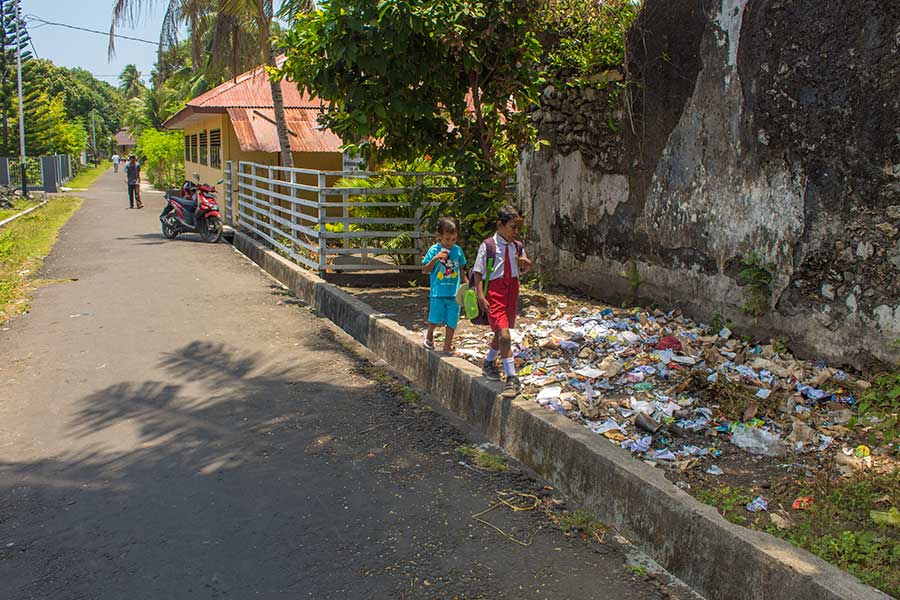
When we first saw these islands there was not a speck of rubbish. Now the consumer society has invaded and there is a huge problem. We have been helping for the past 3 years but this year we went further with a study of trash amounts and educational materials for schools and public places.
-

- It can be seen on streets, in gutters, in most public and private areas and in the sea.

-

- It can be seen on streets, in gutters, in most public and private areas and in the sea.

-
- The land, water and reefs are still relatively healthy today, but as time goes on and rubbish accumulates, their health will be threatened.

-
- Now is the time to act to preserve Banda’s environment and beauty.
Historic Vessel Vega – Trash study
The purpose of this research was to approximate the amount of solid waste produced on Banda Naira, as well as the relative percentages of the different types of waste. In particular, the types of plastic were sorted and measured. The data collected may be used in the future to help indicate what method of long-term, permanent waste disposal could and should be organized on Banda.
Additionally, this report is available to anyone who wishes to use it, and is meant to help the people of Banda have a better understanding of their rubbish problem.
-
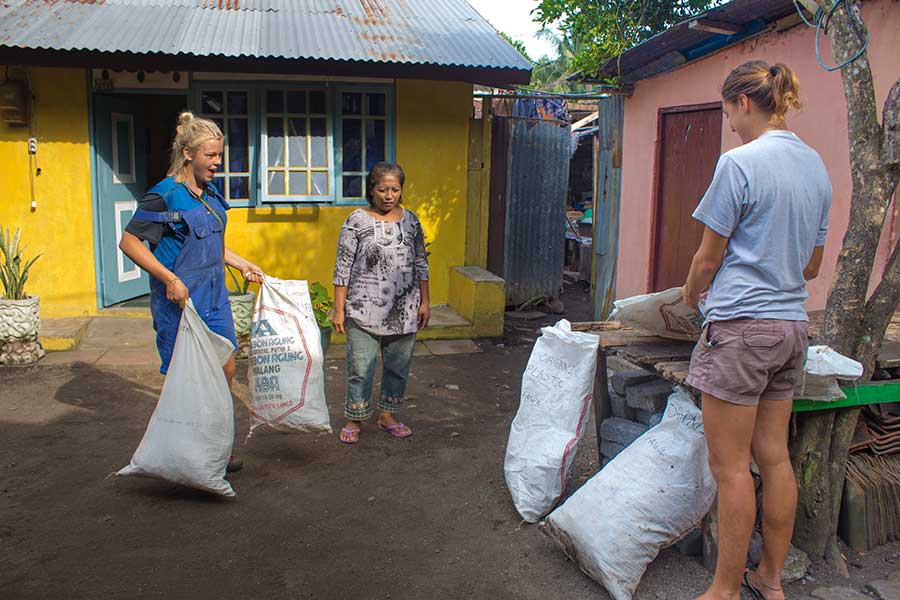
- Eliza and Joy, volunteers from Historic Vessel Vega collected data on solid waste over the course of two weeks. Magafira Ali and PARNEG helpt with the logistics.

-
- All locations were chosen with the help of the local community working towards dealing with the solid waste problem.
-
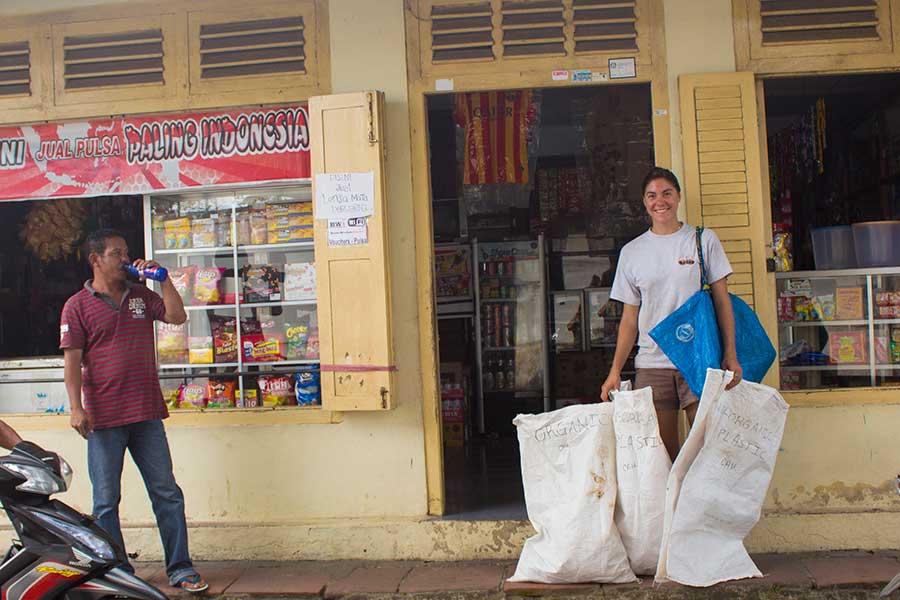
- Waste was collected from eight households, two businesses and one guesthouse.
-

- Those participating were asked to sort their daily waste into two bags: organic and inorganic. After some explaining, most families understood the importance of separating trash.

-
- The bags containing the solid waste were brought to the local dump and sorted.

-

- The inorganic waste was sorted into twelve categories: plastics, food packages, metal, glass, paper and other (items that are difficult to categorize, such as shoes).

-

- The weight of each type of rubbish was recorded.

-

- Nearly half of the inorganic waste is plastic in its various forms and comprised primarily of plastic bags, single-use water cups, Teh Gula cups, straws and bottle caps, and the small, single-use food packaging that is ubiquitous both in stores and on the ground around Banda.

Download the Banda Solid Waste Report, prepared by Eliza Arsenault
Banda Solid Waste Report PDF
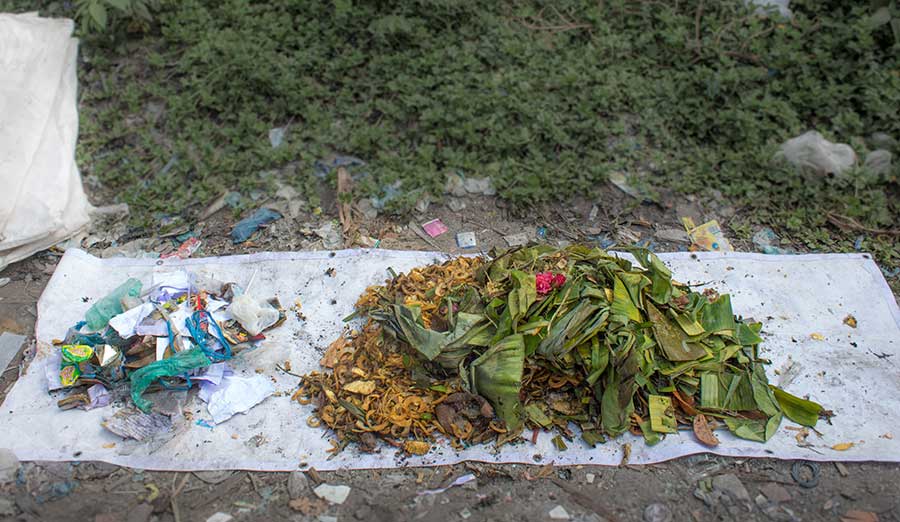
Organic waste accounts for roughly three quarters of the waste produced on Banda. If organic and inorganic waste were to be separated, the amount of waste going to the dump would be reduced by 75%.
Subscribe to our Newsletter for monthly updates